House Lifting Cost Guide for Texas Gulf Coast Homeowners
House lifting remains a major investment for property owners along the Texas Gulf Coast, especially as Galveston County communities continue to focus on resilience ahead of hurricane season. With local authorities still emphasizing hurricane preparedness in 2026, understanding what drives project costs is essential for making informed decisions. This guide breaks down the main factors affecting house lifting expenses for homes in Galveston, Houston, and surrounding coastal areas—where flood risk, unique soil conditions, and FEMA elevation rules all influence planning and pricing.
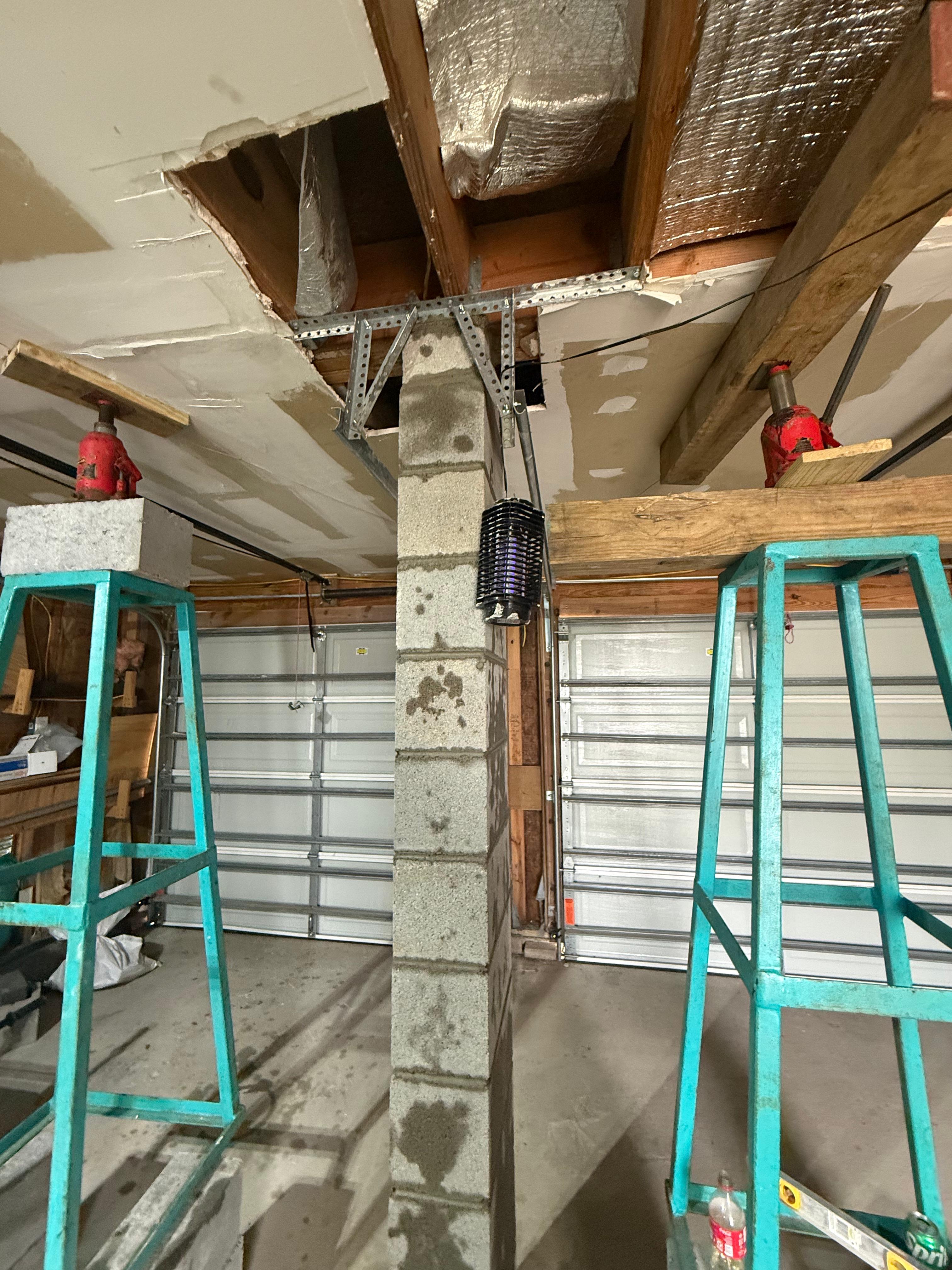
What Drives House Lifting Costs?
No two house lifting projects are exactly alike. The following factors have the greatest impact on total project cost for Galveston County and the Texas Gulf Coast:
1. Size and Weight of the Structure
Larger homes require more hydraulic jacking points, additional steel beams for temporary support, and more crew hours. Lifting a 1,000 sq ft pier-and-beam cottage is a different process than elevating a 3,500 sq ft slab-on-grade home. Most lift contractors price projects by the linear foot of perimeter beam or number of lift points, plus a base mobilization charge.
2. Foundation Type
Pier and beam foundations are generally less expensive to lift because the structure is already supported on discrete points. Disconnecting utilities, cutting anchor bolts, and sliding beams under the frame is relatively straightforward.
Slab-on-grade foundations require the slab to be separated from grade beams and perimeter walls before lifting. This adds demolition time and requires careful engineering to prevent cracking the slab during the operation.
3. Target Elevation Height
Lifting a home just 2 feet is simpler and less expensive than raising it 8 feet. Greater elevation means:
- More temporary cribbing material
- Longer utility disconnection periods
- Taller new foundation systems (more pilings or more fill)
- Potential need for longer temporary stairs
On Galveston Island, where Base Flood Elevations (BFEs) typically range from +8 to +14 feet NAVD88, many homes need to be raised 4 to 10 feet above their current finished floor level. With ongoing hurricane preparedness efforts in 2026, more homeowners are choosing higher freeboard for added protection.
4. New Foundation System Required
After lifting, the home must be set on a new permanent foundation. Options and their relative costs:
- Treated timber pilings (jet-set): The most common solution in Galveston for pier and beam homes. Cost depends on piling count, diameter (typically 12×12 treated), and depth to refusal.
- Concrete piers: More expensive than timber but highly durable. Often specified for slab-on-grade lifts and heavier structures.
- CMU block piers: Common in historic districts where visual compatibility with original construction is required.
- Engineered fill plus slab elevation: Used when raising a slab-on-grade to a new height and rebuilding a grade-level slab beneath it.
Soil conditions on Galveston Island—mainly loose sand and fill—typically require deeper pilings than mainland Texas sites, which increases material and installation costs.
5. Utility Disconnection and Reconnection
During the lift, all utilities must be disconnected: water, sewer, gas, and electrical service entrance. After the home reaches its new elevation and the permanent foundation is set, all connections must be rebuilt. On Galveston Island, this often involves:
- Extending water and sewer risers to the new elevation
- Relocating the electrical service entrance and meter base
- Rebuilding gas piping to meet new floor height
- Adding new access stairs and ADA-compliant landings if required
Utility reconnection costs are sometimes handled by the homeowner’s plumber and electrician, or can be bundled into the general contractor’s scope—clarify this during estimate discussions.
6. Permitting and Engineering Fees
In Galveston and other coastal communities, elevation projects require:
- City of Galveston building permit (fee based on project valuation)
- Floodplain development permit
- Structural engineering drawings (typically $2,000–$6,000 depending on complexity)
- Pre- and post-construction Elevation Certificates (typically $800–$1,500 each)
TerraFirm Leveling manages permitting on your behalf and coordinates with licensed engineers and surveyors throughout the project.
Typical Cost Ranges for Gulf Coast Projects
The ranges below reflect projects in Galveston, Bolivar Peninsula, League City, Texas City, and the broader Houston metro Gulf Coast area. These are general estimates—your project may fall outside these ranges depending on specific conditions.
| Project Type | Typical Range |
|---|---|
| Small pier-and-beam cottage (under 1,200 sq ft), lift 3–5 ft | $30,000 – $50,000 |
| Mid-size pier-and-beam home (1,200–2,000 sq ft), lift 4–6 ft | $45,000 – $75,000 |
| Large pier-and-beam or slab home (2,000–3,500 sq ft), lift 5–8 ft | $65,000 – $110,000 |
| Historic Galveston home with complex foundation, lift 6–10 ft | $80,000 – $150,000+ |
These ranges include the structural lift, new piling installation, and basic utility extension but typically exclude landscaping restoration, new exterior stairs/decks, or interior finish work affected by the project.
Return on Investment: Is House Lifting Worth It?
For Gulf Coast homeowners, house lifting continues to deliver measurable financial returns through three channels:
1. Flood Insurance Premium Reduction
FEMA’s Risk Rating 2.0 methodology prices NFIP policies based on the actual elevation difference between your lowest floor and BFE. Elevating from 3 feet below BFE to 2 feet above BFE can reduce annual premiums by 60–80%. On a home currently paying $8,000/year in flood insurance, that represents $4,800–$6,400 in annual savings. Over 10 years: $48,000–$64,000.
2. Property Value Increase
A 2021 study published in Nature Sustainability found that coastal homes with lower flood risk command a measurable price premium over equivalent flood-zone properties. In Galveston, a home compliant with current BFE requirements—especially with freeboard—is more attractive to buyers and typically qualifies for conventional mortgage financing without a force-placed flood insurance requirement.
3. Avoidance of Storm Damage
The cost of lifting a home is finite. The cost of storm surge damage is not. Hurricane Harvey (2017) caused an estimated $125 billion in damage across the Texas Gulf Coast, with much of that concentrated in uninsured or underinsured flood losses. Homeowners whose first floors were above surge levels typically sustained minimal damage, while neighbors whose floors were at or below grade lost everything. As hurricane season approaches in 2026, local authorities continue to emphasize the importance of proactive mitigation for property owners in flood-prone areas.
Funding and Financial Assistance Options
Several programs have provided financial assistance for home elevation in Galveston and Galveston County following major storm events:
- FEMA Hazard Mitigation Grant Program (HMGP): Federal grants administered by the Texas Division of Emergency Management following presidentially declared disasters. Covers up to 75% of eligible project costs for income-qualifying homeowners.
- FEMA Flood Mitigation Assistance (FMA): Annual grant cycle for properties with repetitive NFIP flood claims. Highly competitive; priority given to severe repetitive loss properties.
- Texas GLO CDBG-DR Programs: Following major storm events (Ike, Harvey), the Texas General Land Office administered Community Development Block Grant – Disaster Recovery funds for home elevation. Future programs may be available after subsequent disasters.
- SBA Low-Interest Disaster Loans: For declared disasters, the Small Business Administration offers low-interest loans to homeowners, including for mitigation improvements like elevation.
TerraFirm Leveling is experienced working within these program frameworks and can assist with documentation for grant-funded projects.
Frequently Asked Questions
Can I get multiple quotes before deciding?
Absolutely, and we encourage it. Make sure each quote clearly specifies: (1) the target elevation height, (2) what new foundation system is included, (3) whether utility reconnection is included, (4) permitting and engineering fees, and (5) any exclusions. The lowest number may not reflect the full scope of work needed.
How long does the project take from start to finish?
A typical residential elevation project in Galveston takes 6 to 12 weeks from permit submission to final inspection, depending on City permit review times. The physical lift itself takes 1 to 3 days. Piling installation and utility reconnection add several additional weeks. With increased demand as homeowners prepare for hurricane season in 2026, early scheduling is recommended.
Will my home’s value increase?
In our experience working on the Texas Gulf Coast, elevation projects in flood-vulnerable areas consistently result in increased appraisal values. A home that meets or exceeds current BFE requirements is materially more attractive to buyers, easier to insure, and less likely to carry a force-placed flood insurance requirement on a mortgage.
Is financing available for house lifting?
Home equity loans and home equity lines of credit (HELOCs) are commonly used to finance elevation projects. Some homeowners use FHA 203(k) rehabilitation loans when purchasing a home that needs elevation. Additionally, grant programs described above can substantially reduce out-of-pocket costs for eligible homeowners. Discuss your financing options with your lender and consult with TerraFirm Leveling about any available grant programs in your area.