Foundation Repair in Galveston, TX
Galveston Island continues to present some of the most demanding foundation challenges along the Texas Gulf Coast. Its unique barrier island soils, shallow water table, persistent land subsidence, historic flooding, and high termite activity all contribute to foundation issues rarely seen further inland. As the 2026 hurricane season peaks, Galveston County officials are reminding residents that proactive foundation inspections and maintenance are essential for reducing storm and flood risks. TerraFirm Leveling, located at 2108 26th St, Galveston, TX 77550, specializes in foundation repair solutions designed for the coastal conditions of Galveston and the surrounding Gulf Coast communities.
The Galveston Foundation Environment: Why It’s Different
A Barrier Island Built on Sand
Galveston Island is a barrier island, formed by Gulf currents over millennia, and sits atop layers of fine sand, shell, and organic-rich sediment, with pockets of clay. This soil profile is very different from the deep, expansive clays found in Houston and much of Texas.
Key soil characteristics affecting foundations in Galveston:
- Low bearing capacity — Sandy soils are more prone to compaction under load, requiring deeper pilings or wider footings for stability.
- High permeability — Water moves easily through sandy soils, so crawl spaces and the soil beneath slabs are constantly affected by groundwater.
- Erosion susceptibility — Storm surge and tidal action can erode soil from beneath and around foundations, creating voids and reducing support.
Post-1900 Grade Raising Fill Material
After the catastrophic 1900 hurricane, Galveston raised much of the island’s grade by 1 to 17 feet using pumped sand fill. This fill, now over a century old, has settled at varying rates, causing differential settlement in foundations that rely on it. In low-lying areas, fill placed over organic material continues to settle as the organic layer decomposes, resulting in ongoing foundation movement.
Land Subsidence
The Harris-Galveston Subsidence District continues to monitor land subsidence in the region. While the most dramatic rates occurred in the 20th century, current data still shows annual subsidence of 0.2 to 1.0 inch per year in parts of Galveston County. Over a typical 30-year home ownership period, this can add up to 6 inches to 2.5 feet of additional settlement—compounding stresses from Galveston’s challenging soils.
Hurricane and Storm Surge History
Galveston’s foundation landscape has been shaped by major storms:
The 1900 Galveston Hurricane — The deadliest natural disaster in U.S. history destroyed most of the island’s structures. The subsequent grade-raising project permanently altered local foundation conditions.
Hurricane Ike (2008) — Ike’s 10- to 15-foot storm surge devastated Galveston Island and the Bolivar Peninsula, damaging or destroying over 70,000 structures in Galveston County. Many foundations that survived Ike’s surge suffered erosion, displaced piers, and saturated soils that are still consolidating today.
With the 2026 hurricane season at its peak, local authorities continue to urge homeowners to inspect and address foundation vulnerabilities before severe weather arrives. Early repair and reinforcement can help prevent further damage from wind, water, and surge events. September is a critical time for Galveston-area residents to schedule inspections and prepare for the height of hurricane season, as forecasts highlight the importance of proactive home maintenance and readiness.
Foundation Repair Services in Galveston
Pier-and-Beam Foundation Repair
Many older Galveston homes—especially in the Historic District, East End Landmark District, Midtown, and other pre-WWII neighborhoods—are built on pier-and-beam foundations. Our services include:
- Crawl space evaluation and moisture assessment
- Pier replacement and reinforcement — Replacing deteriorated concrete, brick, or timber piers with new concrete or adjustable steel piers
- Beam sistering and replacement — Repairing or replacing rotted or insect-damaged mudsills and floor joists with pressure-treated lumber
- Foundation leveling — Systematic shimming and adjustment to restore level floors
- Vapor barrier installation — Installing 6-mil polyethylene barriers to reduce crawl space moisture
- Termite damage assessment and repair coordination — Documenting termite damage and coordinating with licensed pest control before repairs
Slab Foundation Repair
Post-WWII and newer Galveston homes are often slab-on-grade. For settled or cracked slabs, we offer:
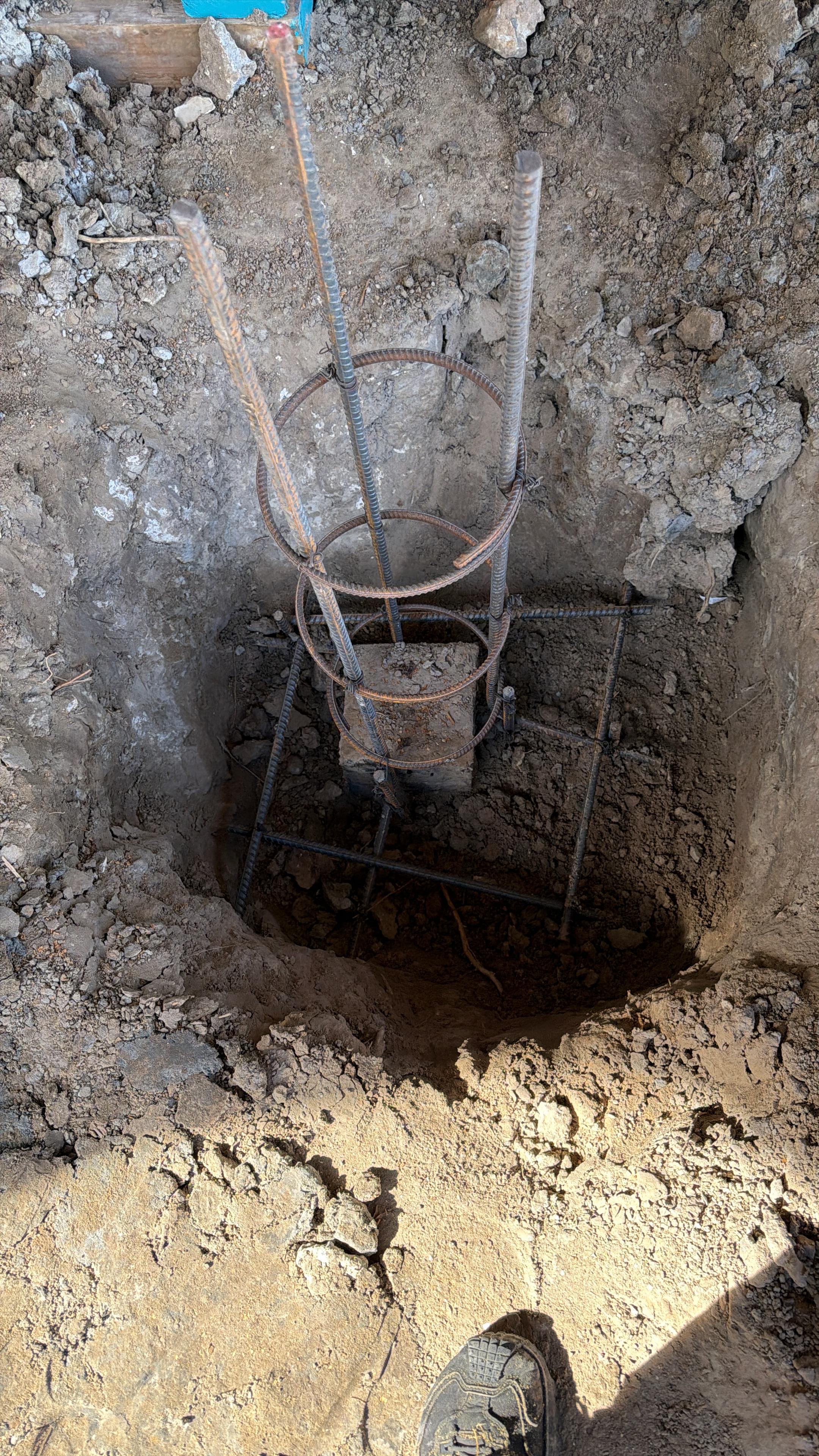
- Steel push pier underpinning — Driving deep steel piers through unstable fill to stable strata, then hydraulically lifting settled slabs. Ideal for significant settlement (1 inch or more).
- Polyurethane foam void filling — Injecting expanding foam beneath settled slabs to fill voids and provide support for minor settlement correction.
- Crack injection and sealing — Using structural epoxy to restore strength across cracks in structural slabs.
Post-Storm Emergency Foundation Response
After major storms, TerraFirm Leveling provides emergency assessment and stabilization:
- Rapid site access and detailed damage documentation (photos and measurements suitable for insurance claims)
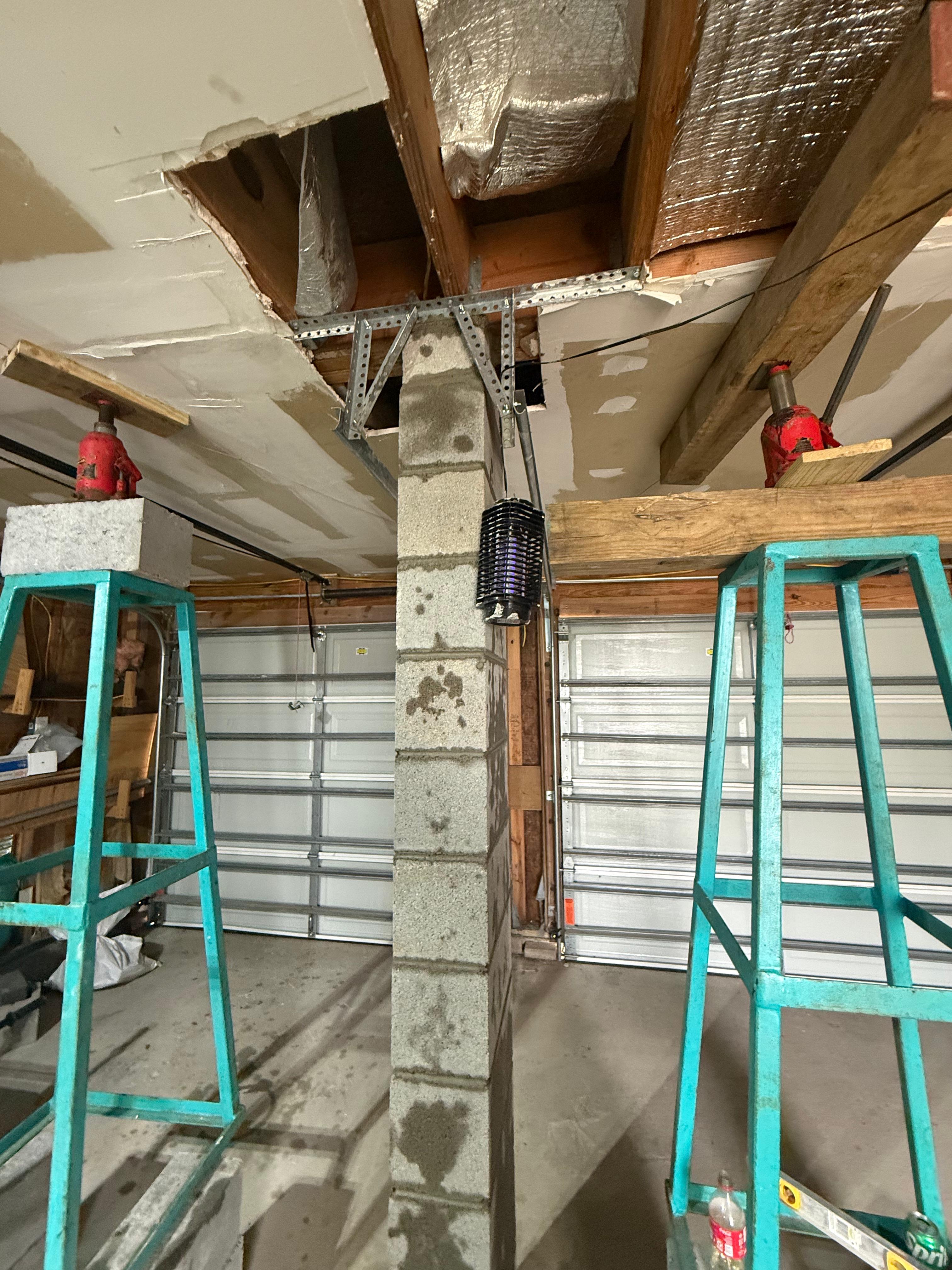
- Temporary shoring and cribbing to prevent further settlement while permanent repairs are planned
- Coordination with FEMA, SBA, and insurance adjusters for documentation
- Referral to licensed engineers for substantial damage determinations as required by the City of Galveston
With hurricane season at its height in September 2026, we recommend scheduling a foundation checkup to identify issues that could worsen with flooding or wind-driven rain. Proactive inspections during hurricane season can help Galveston County homeowners address foundation vulnerabilities before severe storms.
Galveston Foundation Repair and Historic Preservation
Galveston’s historic building stock—over 1,500 contributing structures in designated districts—requires a preservation-sensitive approach. TerraFirm Leveling is experienced working within:
- City of Galveston Historic District regulations and the Secretary of the Interior Standards for Rehabilitation
- Texas Historical Commission review for tax credit projects
- National Park Service standards for historic structures
Our approach emphasizes minimal intervention: stabilize what exists, replace only what cannot be saved, and use materials and methods compatible with the original construction. All work is documented photographically and with measurements to support historical records.
Neighborhoods We Serve in Galveston
- East End Landmark District — Victorian-era pier-and-beam homes requiring careful, historically-appropriate repairs
- Silk Stocking Historic District
- Lost Bayou Historic District
- Midtown / Central Galveston — Mixed pier-and-beam and slab construction, high subsidence area
- Galveston West End — Newer construction, often slab-on-grade; significant storm surge exposure
- Beachfront / Seawall Boulevard corridor — Maximum storm exposure; Zone VE flood mapping
Beyond Galveston Island
TerraFirm Leveling also serves the broader Galveston County and Bay Area region:
- Bolivar Peninsula (Crystal Beach, High Island, Port Bolivar) — Storm-exposed, pier-on-grade and beach house construction
- Texas City and La Marque — High historical subsidence rates; significant pier-and-beam housing stock
- League City, Dickinson, Friendswood — Galveston County mainland; diverse foundation types, Beaumont Clay soil conditions
- Kemah, Seabrook, El Lago, Nassau Bay — Bay-front and near-water communities, high moisture exposure
Frequently Asked Questions
How do I know if I need foundation repair or just cosmetic fixes?
Cosmetic issues—such as small hairline cracks, minor paint separation, or a single sticking door—may not require structural repairs. Signs that warrant professional evaluation include: multiple diagonal cracks at door/window corners, measurable floor slope (over 1 inch per 8 feet), wide cracks (over 1/4 inch), any crack that is actively widening, visible gaps under exterior walls, or sudden symptoms after a storm or drought. TerraFirm Leveling’s free inspections provide honest guidance on whether structural work is needed.
Can foundation problems be fixed permanently?
Yes—with the right approach. Quality pier-and-beam leveling or slab underpinning, combined with proper moisture management, can deliver decades of stable performance. The key is identifying and addressing the root cause, not just the symptom. TerraFirm Leveling warrants all foundation repair work.
My Galveston home is listed in a historic district. Will foundation repairs affect my status?
Not if performed correctly. The City of Galveston’s Historic Preservation Ordinance focuses on visible exterior changes; most foundation repairs are concealed. However, permits are required and substantial structural alterations may need a Certificate of Appropriateness. TerraFirm Leveling is experienced with this process.
Should I get a foundation inspection before buying a home in Galveston?
Absolutely. Pre-purchase foundation inspections are highly recommended for Gulf Coast buyers. Foundation issues are common in Galveston’s older homes and can range from minor maintenance to major repairs. Knowing the condition allows for informed decisions and accurate negotiations. TerraFirm Leveling provides pre-purchase inspections with written reports.