Foundation Warning Signs Every Gulf Coast Homeowner Should Know
Foundation problems rarely announce themselves dramatically. They develop gradually—often over months or years—through subtle signals that homeowners may dismiss as “just the house settling.” On the Texas Gulf Coast, where soil conditions, subsidence, moisture, and storm exposure combine to create an especially demanding environment for residential foundations, recognizing these signals early can mean the difference between a manageable leveling project and a costly structural repair.
As September 2026 brings the peak of hurricane season, Galveston County homeowners should remain especially vigilant. Even though the region has not seen major storms so far this year, the combination of heavy spring rains and the Gulf Coast’s characteristic wet-dry cycles can accelerate foundation movement. With unpredictable weather and the ongoing risk of flooding, early detection is more important than ever for local residents. TerraFirm Leveling has inspected thousands of Gulf Coast homes over 20+ years. These are the warning signs our inspectors look for first.
Interior Warning Signs
Sloping or Uneven Floors
What to look for: Floors that feel noticeably tilted when walking. You can confirm this by placing a long level (4 feet or longer) on the floor in multiple directions. A slope greater than 1 inch over 8 feet is generally considered significant and warrants professional evaluation. For reference: a marble placed on the floor will roll noticeably toward the low side.
What it typically means: Differential settlement of the foundation—meaning one portion of the foundation has moved down more than another. In pier-and-beam homes, this often indicates settling, deterioration, or failure of one or more support piers. In slab homes, it may indicate void formation beneath the slab or differential soil movement.
Gulf Coast specific context: In Galveston and the Houston area, the expansive Beaumont Clay soils that underlie much of the mainland can cause floors to slope by several inches over a few seasons of extreme wet-dry cycling. On Galveston Island, sandy fill material compacts differentially under load, producing similar results more slowly.
Sticking or Binding Doors and Windows
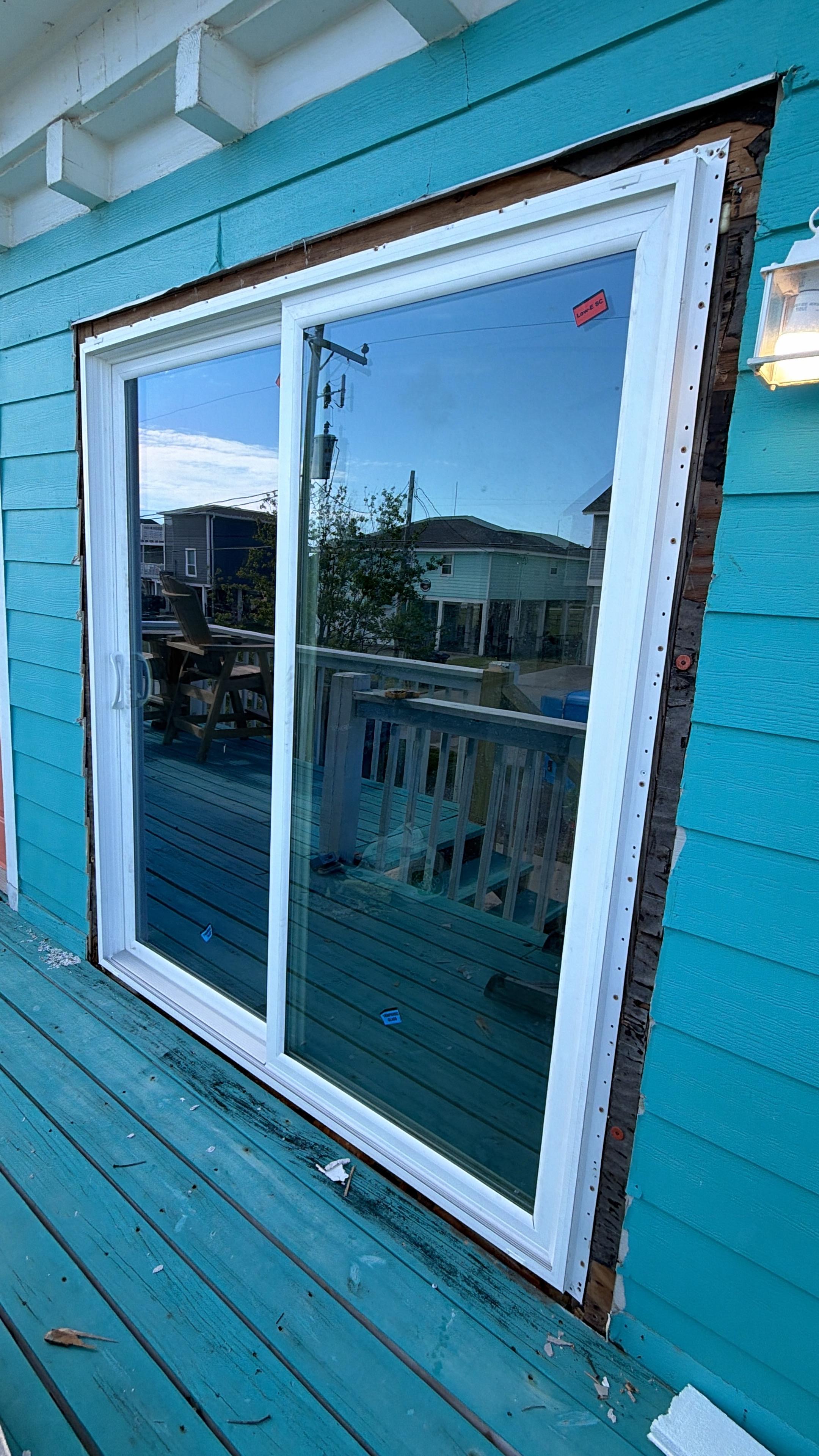
What to look for: Doors that previously opened and closed smoothly now require force to operate, drag on the floor, or no longer latch without lifting. Windows that were previously easy to open now stick or won’t seat properly in their frames. Pay particular attention to interior doors, which are more sensitive to racking than heavy exterior doors.
What it typically means: Foundation movement has caused the wall framing to rack—that is, the rectangle of the door or window opening has distorted into a parallelogram shape. Even a few tenths of an inch of differential foundation movement can cause noticeable binding.
Important distinction: Not all sticking doors indicate foundation problems. Humidity swells wood doors; paint buildup on hinges causes drag. The key differentiator is whether the problem is new, progressive, and accompanied by other warning signs.
Diagonal Cracks at Door and Window Corners
What to look for: Cracks in drywall or plaster that begin at the corners of door or window openings and run diagonally—often at approximately 45 degrees—toward the ceiling or floor. These are sometimes called “stair-step cracks” when they follow the mortar joints in brick exterior walls.
What it typically means: The door or window opening is the weakest point in a wall—the place where stress from racking concentrates. Diagonal cracks at these locations are a textbook sign of differential foundation settlement or uplift.
When to be concerned: A hairline crack that has been stable for years is less urgent than a crack that is widening progressively or that appeared suddenly after a storm. Multiple diagonal cracks throughout the home, especially if all trending in the same direction, suggest ongoing settlement that warrants prompt inspection.
Gaps Between Walls and Ceilings or Floors
What to look for: Visible separations where interior walls meet the ceiling or floor. You may also notice gaps where baseboards have pulled away from the wall, or where crown molding no longer sits flush.
What it typically means: The floor and wall framing are no longer moving together—typically because the floor has settled relative to the walls, or vice versa. In pier-and-beam construction, this is a common manifestation of individual beam settlement.
Cracks in Tile Flooring or Grout Lines
What to look for: Tiles cracking, especially in patterns that follow diagonal lines across a room, or grout joints cracking and separating uniformly across a wide area.
What it typically means: Ceramic tile and grout have very limited flexibility. Any movement in the subfloor or slab beneath transfers directly to the tile surface. Cracking tile is a reliable early indicator of foundation movement, particularly in slab-on-grade homes.
Exterior Warning Signs
Stair-Step Cracks in Brick Veneer
What to look for: Cracks that follow the mortar joints in a brick exterior, moving in a stair-step pattern diagonally across the wall surface. May also appear as horizontal cracks in mortar beds, or as cracks where the brick veneer meets window or door frames.
What it typically means: The wood-frame structure behind the brick is racking or settling differentially, pulling the brick veneer out of plane. Brick is a brittle material that cracks rather than flexes when the structure behind it moves.
Gulf Coast context: Brick veneer on Gulf Coast homes also absorbs moisture and can experience differential thermal expansion. Not all brick cracks indicate foundation problems—but stair-step cracks that align with other interior warning signs are high-priority indicators.
Visible Gaps Under Exterior Walls
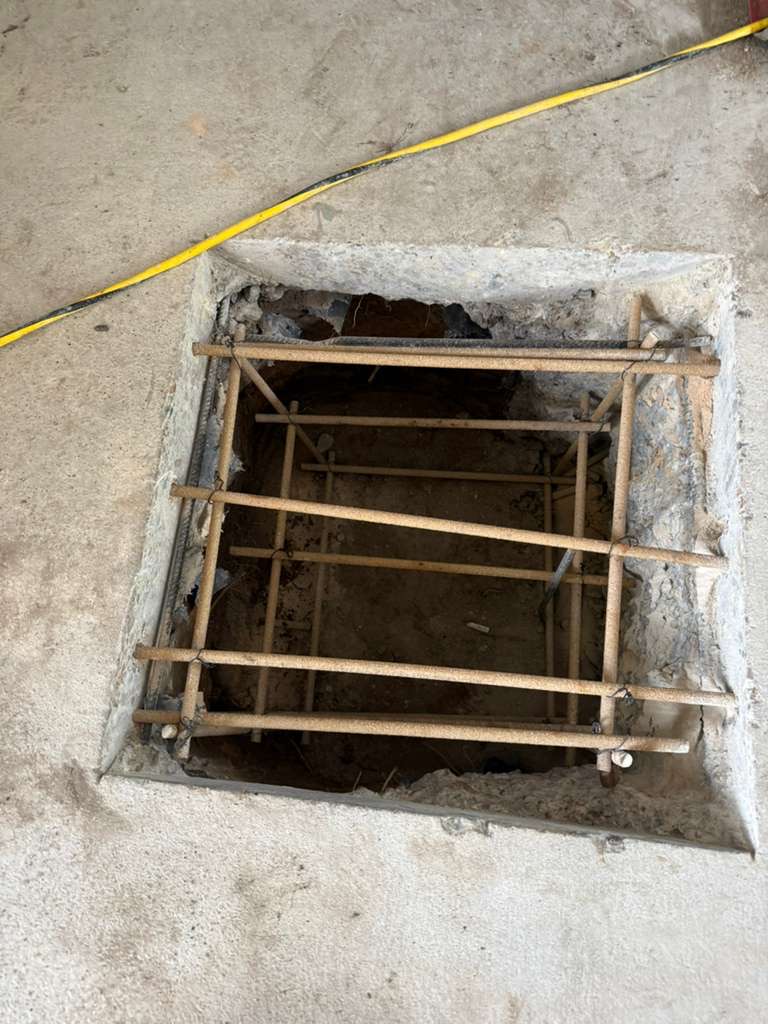
What to look for: Daylight or gaps visible between the bottom of exterior wall framing (or siding) and the foundation perimeter beam or grade.
What it typically means: The home’s floor system has lifted or the foundation has settled on one side, causing the exterior wall to separate from the perimeter. This is particularly common in pier-and-beam homes where perimeter beams have settled independently of interior piers.
Leaning or Tilting Chimneys
What to look for: A chimney that appears to lean away from the house, or visible separation between the chimney and the home’s exterior wall.
What it typically means: Chimneys are typically built on their own independent footings. When those footings settle at a different rate than the main house foundation, the chimney separates. This is common in older Galveston and Houston homes with unreinforced brick chimneys on shallow footings.
Standing Water Near the Foundation
What to look for: Water that pools against the foundation perimeter after rain, or soft, consistently wet soil adjacent to the house perimeter.
What it typically means: Poor drainage allows water to saturate the soil immediately adjacent to and beneath the foundation. On pier-and-beam homes, this accelerates wood decay in the mudsills and may cause erosion under piers. On slab homes, saturated soil creates uneven swelling pressure. Drainage correction is often a necessary companion to foundation leveling.
Hurricane Season Tip: Keep gutters and downspouts clear and ensure they direct water away from your foundation. After significant rainfall, check for new areas of pooling or persistently wet soil around your home. Proactive drainage checks help prevent costly repairs during Gulf Coast storm season. With 2026’s hurricane season underway, these checks are especially important for Galveston County residents.
Crawl Space Warning Signs (Pier and Beam Homes)
If your home has a pier-and-beam foundation, periodic crawl space checks are one of the most valuable inspections you can perform. Look for:
- Standing water or saturated soil — indicates drainage or waterproofing problems
- Active wood decay — dark, soft, crumbling wood in beams or joists
- Termite mud tubes — cylindrical mud tubes running from soil surface up to wood members; a certain sign of active termite activity
- Vapor barrier damage — torn, missing, or inadequate polyethylene sheeting on the crawl space floor
- Visible pier settlement or tilting — piers that are out of plumb or that show wide horizontal cracks
- Gaps between beams and piers — visible daylight or gaps where beams should be in contact with pier tops
When to Call a Professional
Not every crack or sticking door is an emergency, but certain combinations of warning signs warrant prompt professional evaluation:
Call TerraFirm Leveling promptly if you notice:
- Multiple diagonal cracks appearing throughout the home simultaneously
- Rapidly progressing floor slope (noticeable change over weeks)
- Doors or windows that have recently become inoperable
- Any sign of foundation movement following a storm, flood, or drought
- Visible wood decay, termite evidence, or standing water in a crawl space
- Any crack wider than 1/4 inch in any structural element
Our free inspections include a written report with photographs, a clear explanation of what we found, and honest recommendations—including when the issue does not require our services.
Frequently Asked Questions
Are foundation problems covered by homeowner’s insurance?
Standard homeowner’s insurance policies typically do not cover foundation problems caused by soil settlement, subsidence, or normal wear and tear. Coverage may apply if foundation damage is caused by a sudden, specific event covered by the policy—such as a pipe burst that saturated the soil. Post-storm foundation damage may be covered by windstorm or flood insurance depending on the cause. Review your policy carefully and consult your agent.
Can I wait to fix foundation issues?
Foundation problems are almost never static—they progress over time as the underlying cause continues to act on the structure. A 1-inch floor slope today may become 3 inches in 5 years. More critically, delayed repairs typically increase project costs: more beam replacement, more pier work, and more cosmetic repair needed to address years of accumulated movement. Early intervention is almost always less expensive than waiting.
Is a visual inspection enough, or should I have a structural engineer evaluate my home?
For most straightforward pier-and-beam leveling situations on the Gulf Coast, a professional foundation contractor’s inspection is sufficient to diagnose the problem and recommend a solution. For complex situations—unusually severe settlement, a home you are purchasing, or before a major renovation—a licensed structural engineer’s independent assessment adds valuable documentation and liability protection. TerraFirm Leveling can recommend qualified engineers in the Galveston and Houston area.