What is House Lifting?
Expert Insights on House Lifting
Have you ever wondered what is house lifting? It is a crucial strategy for protecting your property from flood risks, involves raising your house above potential water levels.
This process requires careful planning, considering factors like beam strength, available space, insurance requirements, flood zone regulations, and soil conditions.
By elevating your home, you not only safeguard your property but also potentially reduce insurance premiums and increase your home’s value. In this article, we’ll explore the intricacies of home elevation, providing expert insights to help you make informed decisions about this important home improvement project.
Key Takeaways
- Home Elevation Protects Against Flooding and Can Increase Living Space and Property Value
- Careful Planning, Cost Estimation, and Contractor Selection Are Crucial for a Successful Elevation Project
- Permits and Legal Requirements Vary by Location and Must Be Navigated Carefully
- Modern Techniques Like Hydraulic Jacking Offer Precise and Efficient Home Elevation Options
- Sustainable Materials Can Enhance Durability and Energy Efficiency in Elevated Homes
Understanding the Basics of Home Elevation
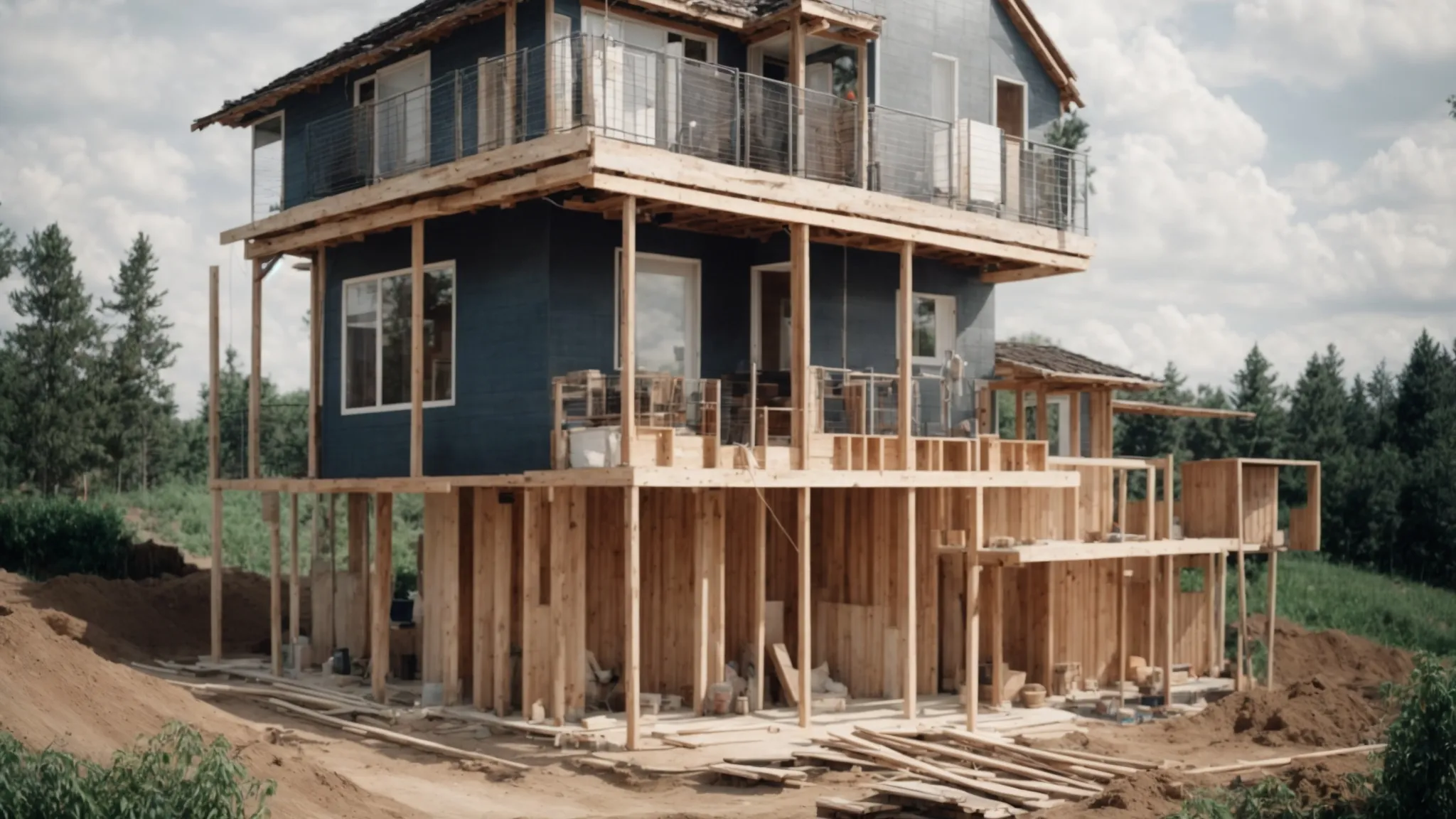
Home elevation involves raising your entire house to a higher level, typically by lifting the existing structure and building a new foundation underneath. This process often requires reinforcing the floor system with steel beams and adjusting joists to ensure stability. Whether you’re looking to create a new basement space or protect your home from flooding, understanding the basics of home elevation is crucial. Let’s explore the key reasons for elevating your home and how to determine if your property is suitable for this significant structural change.
Identifying the Reasons for Elevating Your Home
You might consider elevating your home for various reasons, with flood protection being a primary motivation. Rising sea levels and increased storm intensity have made low-lying areas more susceptible to water damage, making home elevation a practical solution.
Additionally, you may want to create extra living space or address foundation issues caused by soil erosion.
Elevating your home can also protect essential systems like plumbing and electrical wiring from water damage. The process involves using hydraulic jacks to lift the entire structure, allowing for the construction of a new, higher foundation. While not typically used for advertising purposes, an elevated home can become a distinctive feature in your neighborhood, potentially increasing its market value.
Assessing Your Property’s Suitability for Elevation
Assessing your property’s suitability for elevation requires careful consideration of several factors. You’ll need to evaluate the structure’s current condition, soil stability, and local zoning regulations. Consulting with a structural engineer is crucial to determine if your home can withstand the elevation process and to estimate the potential cost.
The age and construction type of your property play significant roles in determining its suitability for elevation.
You should also consider how the elevation might affect your home insurance premiums and overall property value. While an elevator isn’t typically necessary for elevated homes, accessibility options should be factored into your planning.
- Evaluate current structural integrity
- Consult with a structural engineer
- Consider soil stability and local regulations
- Assess impact on home insurance and property value
- Plan for accessibility options
Key Factors to Consider Before Elevating Your Home
Before embarking on a home elevation project, you must carefully weigh several crucial factors. The financial aspect is paramount, as elevating your home can be a substantial investment.
You’ll need to consider not only the immediate costs but also long-term benefits, such as reduced flood insurance premiums and increased property value.
Choosing the right professional team is equally important, as the complexity of lifting a house requires specialized expertise. From assessing your property’s unique needs to navigating federal emergency management agency guidelines, a knowledgeable general contractor can guide you through the process. They’ll help you address challenges like adjusting drainage systems and deciding whether to lift your concrete slab or build a new foundation.
By thoroughly evaluating these factors, you’ll be better prepared to protect your home from potential natural disasters and make informed decisions throughout the elevation process.
Estimating the Cost and Budgeting for Elevation
Estimating the cost of home elevation requires careful consideration of various factors. You’ll need to account for the complexity of your home’s construction, the height of elevation required, and any additional renovation work needed. The cost can vary significantly, from $30,000 to $150,000 or more, depending on your specific circumstances.
When budgeting for elevation, factor in expenses for basement waterproofing, pier installation, and concrete work. You may also need to allocate funds for unexpected issues that arise during the renovation process. Consider the following breakdown of potential costs:
Elevation Component
Estimated Cost Range
Structural Lifting
$10,000 – $30,000
Foundation Work
$20,000 – $50,000
Utility Adjustments
$5,000 – $15,000
Permits and Inspections
$2,000 – $5,000
Selecting the Right Contractor for Your Project
Selecting the right contractor for your home elevation project is crucial for ensuring a successful outcome. Look for professionals with extensive experience in foundation repair, jacking, and flood mitigation techniques. Ask potential contractors about their specific expertise in elevating homes similar to yours and their track record with local building codes and regulations.
When evaluating contractors, request detailed proposals that outline their approach to your project, including plans for temporary storage of your belongings during the elevation process.
Choose a contractor who demonstrates a thorough understanding of flooding risks in your area and can provide comprehensive solutions to protect your home.
Consider their reputation, certifications, and ability to handle unexpected challenges that may arise during the elevation process.
Here’s a table summarizing key factors to consider when selecting a contractor:
Factor
Importance
Experience in home elevation
Critical
Knowledge of local regulations
High
Reputation and references
Very important
Detailed project proposal
Essential
Insurance and bonding
Necessary
The Step-by-Step Process of Elevating a House
Elevating your house is a complex process that requires careful planning and execution. Whether you’re looking to create a crawl space, protect against flooding, or serve another purpose, understanding the step-by-step procedure is crucial.
This section will guide you through the intricate stages of home elevation, from initial planning to final inspections. If you’ve been searching for “house lifting contractors near me,” “house jacking near me,” or “house lifters near me,” you’ll gain valuable insights into what to expect when working with professionals.
We’ll explore the critical planning and design phase, as well as the often-overlooked but essential task of navigating permits and legal requirements.
Planning and Design Phase Explained
The planning and design phase is crucial when elevating your home.
You’ll need to collaborate with experienced professionals, such as those found when searching for “house lifting companies near me” or “house raising contractors near me.”
These experts will assess your property’s unique characteristics, including the existing foundation, structural integrity, and desired elevation height.
During this phase, you’ll make critical decisions about materials like wood for framing and determine the optimal elevation height to protect against flooding or create additional living space. Your chosen contractor will develop detailed blueprints and 3D renderings to help you visualize the final result.
Here’s a breakdown of key steps in the planning and design phase:
Step
Description
Initial consultation
Meet with contractors to discuss project goals and feasibility
Site assessment
Evaluate property conditions and structural integrity
Design development
Create blueprints and 3D renderings of the elevated home
Material selection
Choose appropriate materials for foundation and framing
Cost estimation
Develop a detailed budget for the entire project
Navigating Permits and Legal Requirements
Navigating permits and legal requirements is a crucial step in your home elevation project.
You’ll need to secure proper permits from local authorities, which may involve submitting detailed plans and undergoing inspections.
This process can be complex, especially in areas prone to natural disasters like Hurricane Sandy, where additional regulations may apply to ensure adequate waterproofing and wall reinforcement.
Depending on your location, whether it’s Seattle or Canada, you’ll encounter different building codes and zoning laws. It’s essential to work with a contractor familiar with local regulations to ensure compliance throughout the elevation process.
Here’s a breakdown of typical permit and legal requirements you might encounter:
Requirement
Description
Building Permit
Mandatory for structural changes
Zoning Approval
Ensures compliance with local land use regulations
Environmental Assessment
May be required in sensitive areas
Flood Zone Certification
Confirms elevation meets flood protection standards
Utility Disconnection Permits
Necessary for safely relocating utilities
Innovative Techniques in Home Elevation Today

Modern home elevation techniques have revolutionized the way you can protect and enhance your property, especially in coastal areas.
As building codes evolve to address climate change challenges, architects and experienced contractors are employing cutting-edge methods to elevate homes safely and efficiently. From hydraulic jacking systems to the use of sustainable materials, these innovative approaches offer you more options and benefits than ever before.
By staying informed about these advancements, you can make well-informed decisions when considering a home elevation project, ensuring your property meets current standards while potentially increasing its value and resilience.
Exploring Hydraulic Jacking and Other Modern Methods
Hydraulic jacking has revolutionized the home elevation process, allowing you to lift your entire house with precision and control. This method uses a network of synchronized jacks to distribute the weight evenly, minimizing stress on your house’s structure and reducing the risk of damage to your drywall and other interior finishes.
While hydraulic jacking remains popular, other modern techniques are emerging to suit various home improvement needs and budgets.
For instance, helical pile systems offer a less invasive alternative for elevating homes with challenging soil conditions, while modular lifting systems can be particularly useful for raising houses with complex layouts, including those with multiple bathrooms or unique architectural features.
Benefits of Using Sustainable Materials in Elevation
Using sustainable materials in home elevation offers numerous benefits that deserve your attention.
By incorporating eco-friendly options like reclaimed wood for the sill plate or recycled steel for structural supports, you reduce the environmental impact of your project while potentially lowering costs.
These materials often provide excellent durability and resistance to sea level rise, ensuring your elevated home remains protected for years to come.
Sustainable materials can also enhance the energy efficiency of your elevated home. For instance, using insulated concrete forms for your new retaining wall not only provides superior strength but also improves thermal performance.
This approach reduces the strain on your heating and cooling systems, leading to long-term energy savings.
Additionally, many sustainable materials require less machine-intensive processing, further reducing the overall carbon footprint of your elevation project.
Frequently Asked Questions
What are the main reasons homeowners choose to elevate their houses?
Homeowners often choose to elevate their houses to protect against flooding and storm surge damage.
Additionally, elevating a home can increase property value, provide extra storage space, and offer improved views of the surrounding area.
How long does the typical home elevation process take to complete?
The typical home elevation process can take anywhere from 1 to 3 months to complete, depending on the complexity of the project and local permitting requirements. This timeframe includes planning, obtaining permits, preparing the site, and carrying out the actual elevation work.
What are the potential risks associated with elevating a house?
Elevating a house can pose several risks, including structural damage, foundation issues, and potential damage to utilities. Additionally, there may be safety concerns during the lifting process and complications with permits or local regulations.
How much does it usually cost to elevate a residential property?
The cost to elevate a residential property typically ranges from $30,000 to $100,000, depending on factors such as the size of the home, its construction type, and local regulations. Actual expenses can vary significantly based on the specific circumstances of each project and the region where the property is located.
Can all types of homes be elevated, or are there limitations?
Most homes can be elevated, but there are limitations based on factors such as the structure’s size, weight, and condition. Certain types of foundations, like slab-on-grade, may present additional challenges or require specialized techniques for elevation.
Conclusion
Navigating your home elevation project requires careful consideration of various factors, from understanding the basics to selecting the right contractor and navigating legal requirements.
By exploring innovative techniques and sustainable materials, you can enhance your home’s resilience against flooding while potentially increasing its value.
The step-by-step process of elevating a house demands meticulous planning and execution, making it crucial to work with experienced professionals who can guide you through each stage. Ultimately, a well-executed home elevation project can provide long-term protection for your property and peace of mind for you and your family.
If you want to know more about house lifting, contact Terra Firm Leveling now to get a free estimate!
Similar Articles
Foundation Repair Guide: Everything Homeowners Need to Know
If you’ve noticed cracks in your walls, uneven floors, or doors that no longer close properly, your home may be…
Foundation Inspection Guide: What Every Homeowner in Houston Needs to Know
A solid foundation is essential for the safety and longevity of your home. But how do you know if your…
Pilings for House Foundations
Everything Galveston Homeowners Need to Know Pilings are a smart, reliable solution for supporting homes in Galveston’s coastal environment. This…