Choosing the Best House Raising Contractors
Beginner’s Guide: What to Know About House Raising Services
House raising offers homeowners a powerful solution to protect their property from flood damage and rising water levels. In the case you might need some extra help, it is important to know what to look for from the best house raising contractors you wish to hire.
This process not only safeguards your basement but can also add valuable living space and potentially lower insurance premiums. If you need to know more about this crucial practice, Terra Firm Leveling is here to deliver the best house raising services for you!
By elevating your home, you create a buffer against water intrusion, essentially turning your ground floor into an elevated sanctuary.
In this article, we’ll explore the essential aspects of house raising services, from understanding the basics to reaping the long-term benefits.
Key Takeaways
- House Raising Can Protect Against Floods, Create Additional Space, and Increase Property Value
- Costs Vary Widely Based on Factors Like Home Size, Foundation Type, and Elevation Height
- Choosing an Experienced Contractor With Proper Licensing and Insurance Is Crucial for Success
- Preparing Your Home and Managing Expectations Are Essential Steps Before the Lifting Process Begins
- Understanding Local Regulations and Obtaining Necessary Permits Is Vital for a Compliant Project
Understanding the Basics of House Raising

House raising is a transformative process that elevates your home’s foundation, addressing issues like erosion and creating valuable space beneath.
This technique involves lifting the entire structure to build a new, deeper foundation or extend the existing one.
Whether you’re dealing with flood risks seeking additional living areas, or combating soil instability, understanding the various house lifting methods is crucial. From hydraulic jacks to unified hydraulic lifting systems, each approach offers unique benefits for different home types and terrains.
As you explore these options, you’ll discover how concrete and other materials play a vital role in securing your raised home’s stability for years to come.
What Is House Raising and Why Consider It?
House raising is a structural engineering process that involves lifting an entire building from its current foundation to a higher elevation.
You might consider this option if your home faces flood risks. You may also find it handy to learn the different foundation repair methods, in case you need to do it by yourself.
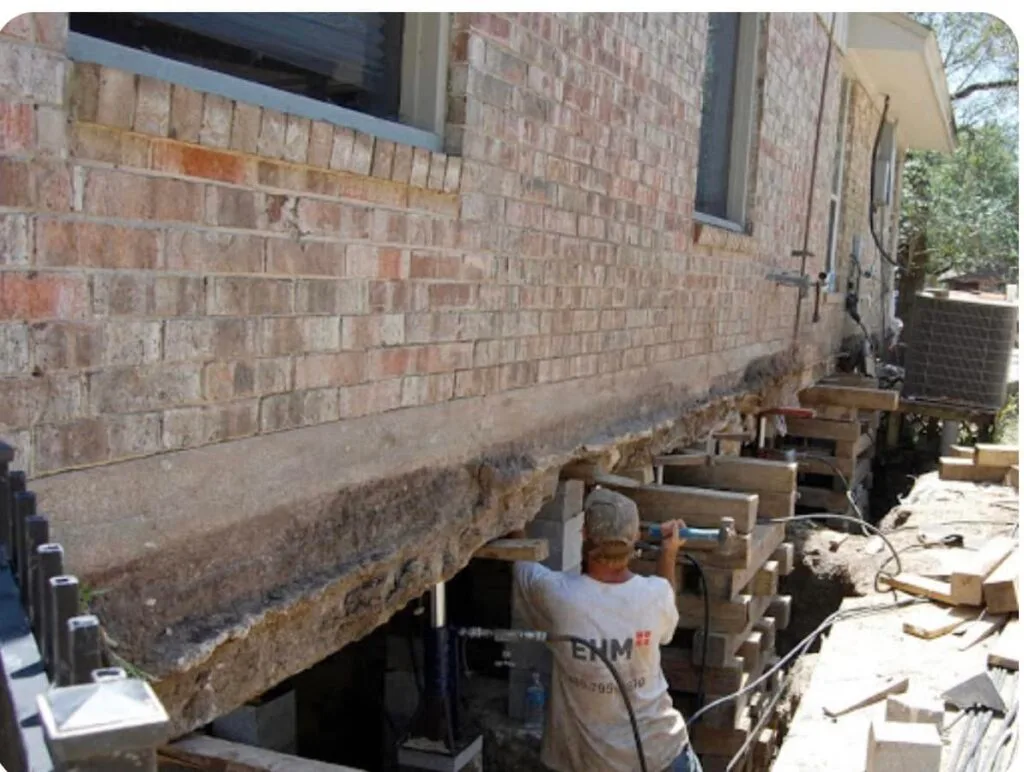
The process typically uses hydraulic jacks to carefully elevate the structure, allowing for the construction of a new foundation or the extension of the existing one.
Considering house raising can significantly reduce your risk of flood damage and potentially lower insurance costs.
While the initial cost may seem substantial, it often proves to be a wise long-term investment, especially in flood-prone areas.
The Federal Emergency Management Agency even offers grant programs to assist homeowners in elevating their homes in high-risk flood zones. Here’s a breakdown of the key aspects of house raising:
Aspect
Details
Primary Methods
Hydraulic jacking, Unified hydraulic lifting
Materials Used
Steel beams, Concrete, Wood cribbing
Benefits
Flood protection, Additional space, Foundation repair
Considerations
Cost, Structural integrity, Local regulations
The Different Methods of House Lifting Explained
House lifting methods vary depending on the structure’s size, weight, and foundation type.
The most common technique involves using hydraulic jacks strategically placed beneath the house, which gradually raise it to the desired height.
Engineers carefully assess the soil conditions and structural integrity before determining the best approach for your specific situation.
Another method, particularly useful for homes with basements, is the unified hydraulic lifting system. This approach employs a network of synchronized jacks to lift the entire house evenly, reducing the risk of structural damage.
While this process is ongoing, you might consider incorporating basement waterproofing measures to enhance your home’s protection against moisture and flooding.
Evaluating the Costs Involved in House Raising
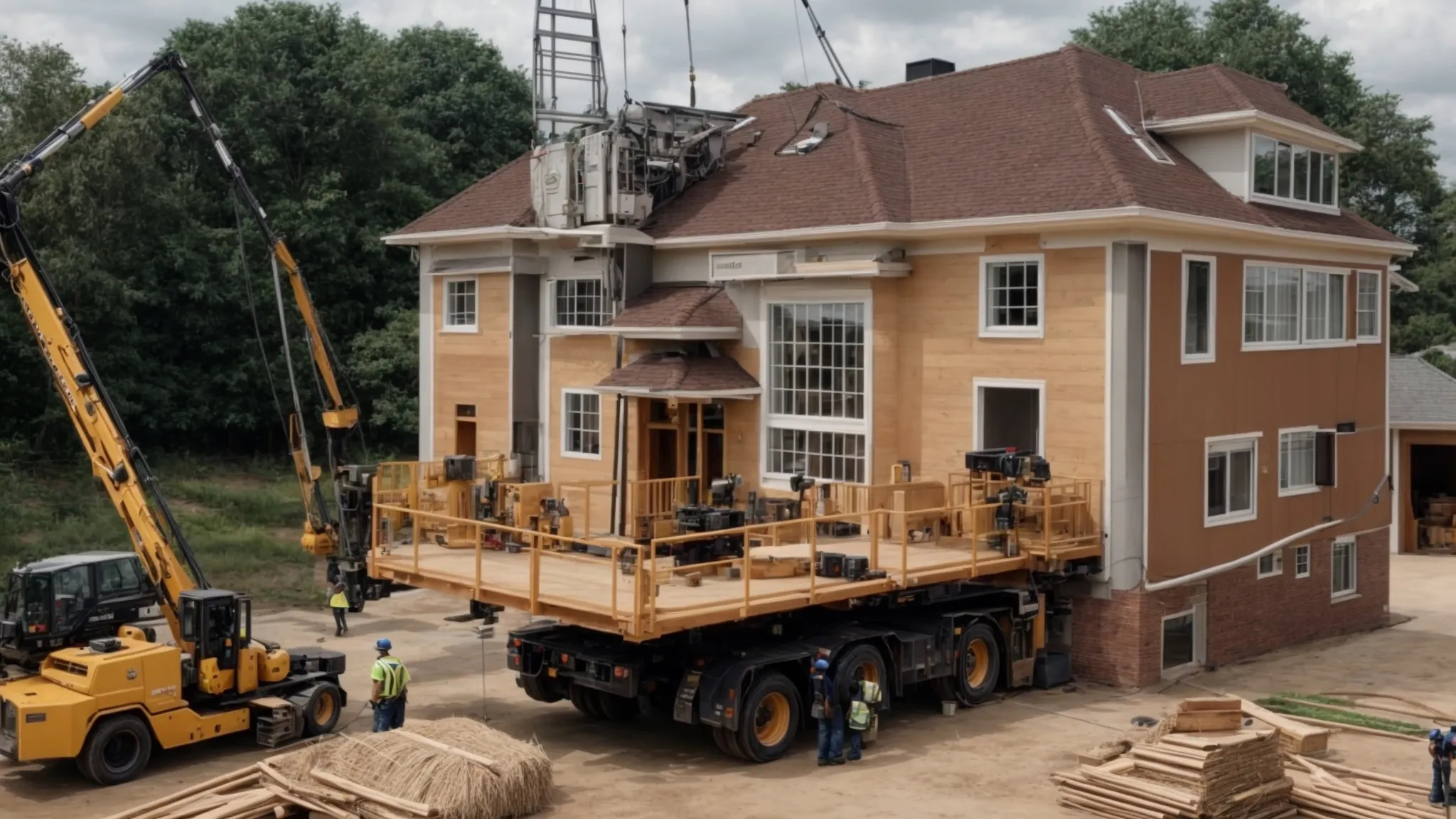
Understanding the financial aspects of house raising is crucial before embarking on this significant project. The costs can vary widely depending on factors such as your home’s size, current foundation, and desired elevation.
You’ll need to consider expenses beyond the actual lifting process, including potential floor reinforcement, plumbing adjustments, and even temporary relocation.
While a general contractor can provide an overall estimate, it’s essential to break down individual costs for elements like demolition and reconstruction.
In areas like New Jersey, where house raising is common due to flood risks, local regulations and permit fees also play a role in your budget.
By thoroughly examining these factors and planning your budget accordingly, you can make an informed decision about whether house raising is the right choice for your home and financial situation.
Breaking Down the Price Factors in Detail
The cost of house raising varies significantly based on several factors. Foundation repair needs, the extent of elevation required, and the complexity of your home’s structure all play crucial roles in determining the final price.
You may also need to factor in temporary relocation expenses if you can’t remain in your home during the lifting process.
General contractors can provide comprehensive estimates, but it’s wise to break down costs for each aspect of the project. This includes expenses for specialized equipment, skilled labor, and potential modifications to utilities.
In flood-prone areas, investing in house raising can be a cost-effective long-term solution compared to repeated flood damage repairs:
Cost Factor
Estimated Range
Influencing Elements
House Lifting
$10,000 – $40,000
Home size, weight, current foundation
Foundation Work
$20,000 – $100,000
New foundation type, soil conditions
Utility Adjustments
$5,000 – $20,000
Plumbing, electrical, HVAC modifications
Permits and Inspections
$1,000 – $5,000
Local regulations, project scope
Temporary Relocation
$2,000 – $10,000
Duration of project, local housing costs
Cost Comparison and Budget Planning Tips
When planning your house raising budget, compare costs between different contractors and methods, including options like creating a crawl space or full house moving.
Consider the long-term savings from flood mitigation against the initial investment, factoring in potential insurance premium reductions and decreased repair costs over time.
To manage your budget effectively, prioritize essential tasks like structural reinforcement and masonry work. You can save money by tackling non-structural elements yourself, such as interior finishes or landscaping, after the main lifting and moving process is complete.
Remember to set aside a contingency fund for unexpected issues that may arise during the project.
Selecting a Reliable House Raising Service Provider
Selecting a trustworthy house raising service provider is crucial for a successful project, especially in flood-prone areas like New Jersey.
As you navigate the process of elevating your home to a safe height above the floodplain, it’s essential to consider factors beyond just waterproofing and renovation expertise. Your chosen contractor should have a proven track record in house raising, understand local regulations, and offer comprehensive services.
This section will guide you through the key criteria for selecting the right professional and highlight potential red flags to avoid during your search, ensuring your home’s elevation is handled with the utmost care and precision.
Criteria for Choosing the Right Contractor
When selecting a house raising contractor, prioritize experience and expertise in home improvement projects, particularly those related to flood mitigation.
Look for professionals who understand the intricacies of installing support beams, piers, and other structural elements crucial for safely elevating your home. Verify their knowledge of local building codes and flood insurance requirements to ensure compliance throughout the project.
Assess the contractor’s track record by reviewing past projects and client testimonials.
A reputable service provider should offer a comprehensive approach, including initial assessments, detailed project plans, and ongoing communication.
Consider their ability to handle unexpected challenges and their commitment to completing the work within the agreed timeframe and budget:
Criteria
Importance
How to Verify
Experience in house raising
High
Years in business, portfolio of completed projects
Licenses and insurance
Critical
Check with local authorities and request proof of insurance
Knowledge of local regulations
Essential
Ask about specific local codes and permit processes
Quality of equipment and materials
High
Inquire about brands used and maintenance practices
Customer reviews and references
Important
Check online reviews and contact past clients
Red Flags to Watch Out for in Your Search
When searching for house raising contractors, be wary of those who promise unrealistically low prices or rapid completion times for your property elevation project.
Reputable professionals understand the complexity of lifting a house and will provide detailed, transparent quotes that account for all aspects of the work, including the use of specialized machinery and quality materials like wood for structural support.
Avoid contractors who lack proper licensing, insurance, or experience in disaster recovery and house raising specifically.
Be cautious of those who pressure you to make quick decisions or refuse to provide references from past clients.
A trustworthy house raising service will welcome your questions, offer a clear timeline, and demonstrate a thorough understanding of local building codes and flood mitigation requirements.
Preparing Your Home for the Big Lift
As you prepare for the significant undertaking of raising your home, careful planning and coordination with your chosen house lifting contractors are essential.
This phase involves a series of critical steps to ensure your property is ready for the lift, from securing loose items to disconnecting utilities. Understanding your role in the process and setting realistic expectations will help smooth the transition and minimize stress.
By taking proactive measures and maintaining open communication with your contractors, you’ll be well-positioned to navigate the complexities of house raising and set the stage for a successful elevation project.
Steps to Take Before D-Day Arrives
Before the house raising process begins, you’ll need to take several important steps to prepare your home. Start by removing all valuable and fragile items from your house, including furniture, appliances, and personal belongings.
Secure any loose items that cannot be removed, and consider photographing your home’s interior and exterior for documentation purposes.
Next, work with your contractor to disconnect utilities such as gas, water, and electricity. Trim any trees or shrubs that might interfere with the lifting equipment, and ensure clear access to your property for the workers and machinery.
If you have a septic system, discuss with your contractor how it will be handled during the lifting process.
Managing Your Expectations and Responsibilities
As you embark on the house raising journey, manage your expectations by understanding that the process may take several weeks or even months to complete.
Prepare for potential disruptions to your daily routine and consider temporary housing arrangements if necessary.
Your responsibilities during the project include maintaining clear communication with your contractor, promptly addressing any concerns, and ensuring all required permits are in order.
Stay informed about the project timeline and be prepared to make quick decisions if unexpected issues arise:
- Establish a regular check-in schedule with your contractor
- Keep important documents and contact information readily accessible
- Create a contingency plan for delays or unforeseen circumstances
- Familiarize yourself with the project phases and expected milestones
- Be prepared to adjust your schedule to accommodate inspections or critical project stages
Navigating Legalities and Obtaining Necessary Permits
Navigating the legal landscape of house raising can be complex, but it’s a crucial step in ensuring your project’s success and compliance with local building codes.
You’ll need to familiarize yourself with specific regulations that govern structural modifications in your area, which may include zoning laws, flood mitigation requirements, and historic preservation guidelines.
Obtaining the necessary permits is a critical process that, when approached strategically, can prevent costly delays and legal complications.
By understanding the intricacies of local regulations and streamlining your permit application process, you’ll be better equipped to tackle the challenges of house raising while staying within the bounds of the law.
Understanding Local Regulations and Compliance Issues
Before initiating your house raising project, familiarize yourself with local building codes and zoning regulations.
These rules often dictate the maximum height allowed for residential structures, setback requirements, and specific standards for flood-prone areas. You may need to consult with local authorities or a zoning expert to ensure your plans comply with current regulations.
Pay special attention to any historic preservation guidelines that may apply to your property or neighborhood.
Some areas have strict rules about modifying older homes, which could impact your house raising plans.
Additionally, consider environmental regulations that might affect your project, such as wetland protection laws or coastal construction standards.
How to Smoothly Secure Permits Without Delays
To secure permits smoothly for your house raising project, start by gathering all necessary documentation well in advance.
This includes detailed architectural plans, engineering reports, and proof of property ownership. Schedule a pre-application meeting with your local building department to discuss your project and understand specific requirements.
Submit your permit application as early as possible, ensuring all forms are filled out accurately and completely.
Be prepared to respond promptly to any requests for additional information or clarification from the permitting office.
Consider hiring a permit expediter if you’re facing complex regulations or tight deadlines. Here’s a checklist to help streamline your permit application process:
- Research local building codes and zoning laws specific to house raising
- Prepare detailed site plans and elevation drawings
- Obtain necessary signatures from licensed professionals (architects, engineers)
- Include a comprehensive project timeline and construction method statement
- Provide evidence of contractor licensing and insurance
- Be ready to pay all required fees upon submission
The Long-Term Benefits of Raising Your Home

Raising your home offers a multitude of long-term advantages that go well beyond the immediate benefit of flood prevention.
While protecting your property from water damage is a primary motivation, the decision to elevate your house can lead to significant improvements in your quality of life, property value, and financial security.
From creating additional usable space to reducing insurance premiums, the ripple effects of this structural upgrade can be felt for years to come.
Understanding these far-reaching benefits will help you make an informed decision about whether house raising is the right choice for your home and future.
Tangible Benefits That Extend Beyond Flood Prevention
Raising your home offers benefits beyond flood protection, including increased property value and lower insurance premiums.
You’ll gain additional usable space beneath your house, perfect for storage, parking, or even expanding your living area.
This extra square footage can significantly boost your home’s market value and appeal to potential buyers.
The elevation process often involves upgrading your home’s foundation, which can improve its overall structural integrity and energy efficiency. You may notice reduced heating and cooling costs due to better insulation and air circulation in the newly created space.
Additionally, the raised perspective can enhance your views and provide a sense of privacy, potentially increasing your enjoyment of your property.
Terra Firm Leveling House Raising Contractors
Ready to protect your home from flood damage and enhance your property value with professional house raising services?
Contact Terra Firm Leveling today to ensure your home is safeguarded against water intrusion while gaining valuable living space.
Our experienced team specializes in house raising, offering comprehensive solutions tailored to your needs. Don’t wait for the next flood—reach out to Terra Firm Leveling and secure your home’s future with expert elevation services.
Frequently Asked Questions
How long does the house raising process typically take?
The house raising process typically takes 2-4 weeks from start to finish. This timeline can vary depending on the size of the house, complexity of the project, and any unforeseen issues that may arise during the lifting process.
What are the main reasons people choose to raise their houses?
People choose to raise their houses primarily for flood protection and to create additional living space. Elevating a home can safeguard it from water damage and increase its value by adding usable square footage.
Can all types of homes be raised, or are there limitations?
Most types of homes can be raised, including single-family houses, duplexes, and even some multi-story buildings. However, limitations may exist for extremely large structures, homes with certain foundation types, or those in precarious locations.
How much does it cost to raise a house on average?
The cost to raise a house varies widely depending on factors such as location, house size, and required foundation work. On average, homeowners can expect to spend between $10,000 and $40,000 for a standard house-raising project, though more complex jobs can exceed $100,000.
Will raising my house affect its structural integrity or foundation?
Raising your house can potentially affect its structural integrity and foundation if not done properly. It’s crucial to work with experienced professionals who can assess your home’s specific needs and implement appropriate measures to maintain structural stability during and after the raising process.
Conclusion
House raising services offer homeowners a powerful solution to combat flooding risks, increase property value, and enhance living spaces.
By understanding the various methods, costs, and legal requirements involved, you can make informed decisions about elevating your home.
Selecting a reliable contractor and preparing thoroughly for the lifting process ensures a smooth and successful project. Ultimately, the long-term benefits of house raising extend far beyond flood prevention, providing improved structural integrity, energy efficiency, and overall quality of life for years to come.
Similar Articles
Foundation Repair Guide: Everything Homeowners Need to Know
If you’ve noticed cracks in your walls, uneven floors, or doors that no longer close properly, your home may be…
Foundation Inspection Guide: What Every Homeowner in Houston Needs to Know
A solid foundation is essential for the safety and longevity of your home. But how do you know if your…
Pilings for House Foundations
Everything Galveston Homeowners Need to Know Pilings are a smart, reliable solution for supporting homes in Galveston’s coastal environment. This…