How to Look for the Best House Lifting Services Near Me: A Quick Guide
Best Local House Lifting Services: A Quick Guide
House lifting services near me provide crucial solutions for homeowners facing flood risks, basement issues, or foundation problems.
By elevating your home, you can protect it from water damage, increase living space, and potentially lower insurance premiums. These services often involve complex engineering techniques, including deep foundation work, to ensure your home remains stable and secure.
In this article, we’ll guide you through selecting the best local house lifting services and what to expect during the process.
Key Takeaways
- Choose a Contractor With Experience, Proper Certifications, and Comprehensive Insurance Coverage
- Consider Factors Like Home Size, Structure, and Site Conditions When Estimating Lifting Costs
- Obtain Necessary Permits and Secure Loose Items Before the House Lifting Process Begins
- Understand Common Lifting Techniques Like Hydraulic Jacking and Temporary Supports
- Prioritize Safety by Reviewing the Contractor’s Detailed Safety Plan and Risk Mitigation Strategies
How to Identify the Best Local House Lifting Services
man leveling a concrete wall
When seeking the best local house lifting services, you need to consider several key factors. A reputable general contractor specializing in this field should have extensive experience with various house types, from wooden structures to those with concrete foundations. They should also be well-versed in dealing with water-related issues that often necessitate house lifting. To ensure you’re working with a qualified professional, it’s crucial to verify their credentials, including any required engineering certifications. By thoroughly researching online reviews and checking insurance coverage, you can make an informed decision and protect your house during the lifting process.
Research Online Reviews and Testimonials
Begin your search for local house lifting services by delving into online reviews and testimonials. Look for feedback that specifically mentions experiences with basement waterproofing, masonry work, and elevator installations, as these can provide insight into the contractor’s expertise in handling complex lifting projects.
Pay close attention to comments about cost transparency and floor leveling quality, as these are crucial aspects of a successful house lifting project. Remember that while positive reviews are important, thoughtful responses to negative feedback can also indicate a company’s commitment to customer satisfaction and problem-solving.
Check Certifications and Insurance Coverage
Verify that your chosen house lifting contractor holds the necessary certifications for handling complex projects involving steel structures and soil stabilization in Wisconsin. Ensure they possess specialized credentials in waterproofing techniques and leveling methodologies, as these skills are crucial for addressing moisture-related issues and maintaining structural integrity.
Request proof of comprehensive insurance coverage that protects both the contractor and your property throughout the lifting process. A reputable service provider should readily furnish documentation of their liability insurance and worker’s compensation policies, demonstrating their commitment to safety and professionalism.
- Review certifications for steel structure expertise
- Confirm specialized credentials in waterproofing and leveling
- Verify comprehensive insurance coverage
- Request documentation of liability and worker’s compensation policies
Choosing the right house lifting service is just the beginning of your journey. Now, let’s explore the crucial factors that influence the cost of elevating your home.
Factors Affecting the Cost of House Lifting
House lifting costs can vary significantly based on several key factors. When considering relocation or house moving services, it’s crucial to understand how these elements influence your project’s overall expense. From analyzing your home’s size and structure to evaluating access difficulties and soil conditions, each aspect plays a vital role in determining the final price tag. House movers and crawl space repair specialists take these factors into account when providing estimates, ensuring that your project is priced accurately and efficiently.
Analyze the Size and Structure of Your Home
The size and structure of your home significantly impact the cost of house lifting. Larger homes require more equipment and labor, increasing the overall expense. Heavy structures, such as those with brick or stone exteriors, demand specialized jacking techniques and equipment, further influencing the price.
Your home’s foundation type and condition play a crucial role in determining the complexity of the lifting process. Houses with extensive foundation repair needs or unique architectural features may require additional expertise and resources. Experienced movers with in-depth knowledge of various structural systems can provide accurate cost estimates based on these factors:
- Square footage and number of stories
- Construction materials and weight
- Foundation type and condition
- Presence of chimneys, porches, or other attachments
- Structural integrity and any existing damage
Consider Access Difficulties and Soil Condition
Access difficulties and soil conditions significantly impact house lifting costs. Limited space for equipment maneuvering or challenging terrain can complicate construction, requiring specialized machinery and increasing labor hours. In Maryland, where diverse landscapes range from coastal areas to rolling hills, experienced contractors adapt their approach based on site-specific challenges.
Soil composition and stability are crucial factors in determining the feasibility and cost of house lifting. Areas prone to erosion or with poor soil bearing capacity may necessitate additional foundation reinforcement or soil stabilization measures. Contractors with extensive experience in varied geological conditions can accurately assess these factors and provide tailored solutions to ensure a successful lift.
Ready to take the plunge into house lifting? Let’s explore how to prepare your home for this transformative process.
Preparing Your Home for a Lift
Preparing your property for a house lift requires careful planning and attention to detail. Understanding the rigging process and gathering necessary information about your home’s structure is crucial. You’ll need to secure permits from local authorities and take steps to protect your belongings. This includes removing or securing loose items inside the house to prevent damage during the lift. Additionally, you should familiarize yourself with the beam installation process, as this forms the foundation of the lifting operation. By taking these preparatory measures, you’ll ensure a smoother and more efficient house lifting experience.
Secure Necessary Permits From Local Authorities
Before initiating your house lifting project, obtain the necessary permits from your local authorities. Contact your city or county’s building department to determine the specific requirements for your area, as regulations can vary widely depending on your location.
Prepare a detailed plan of your project, including architectural drawings and engineering reports, to submit with your permit application. This process may involve multiple departments, such as zoning, structural engineering, and environmental services. Ensure you allow ample time for permit approval, as it can take several weeks or even months:
Permit Type
Typical Processing Time
Required Documents
Building Permit
2-4 weeks
Architectural plans, site survey
Zoning Approval
1-2 weeks
Site plan, property deed
Environmental Assessment
3-6 weeks
Soil report, impact study
Remove or Secure Loose Items Inside the House
Before the house lifting process begins, remove or secure all loose items inside your home. Focus on fragile objects, artwork, and electronics, packing them carefully and storing them in a safe location off-site if possible.
For items that must remain in the house, use sturdy packing materials and secure them to prevent movement during the lift. Pay special attention to hanging fixtures like chandeliers and ceiling fans, which should be removed or properly braced:
Item Type
Action
Recommended Materials
Fragile Decor
Remove and pack
Bubble wrap, packing paper
Large Furniture
Secure in place
Moving straps, furniture pads
Ceiling Fixtures
Remove or brace
Ladder, tools, safety harness
Now that you’ve prepared your home for the lift, let’s explore the exciting methods that can elevate your property. Discover the various house lifting approaches that could transform your living space and protect your investment.
Common House Lifting Approaches Explained
House lifting techniques have evolved significantly, offering homeowners various options to address foundation issues and protect their properties from flooding. Two primary approaches dominate the industry: hydraulic jacking with cribbing and the use of temporary supports. Each method has its unique advantages and applications, depending on factors such as the structure’s size, weight, and the specific requirements of the project. Understanding these common lifting approaches is crucial for homeowners considering this significant home improvement undertaking, as it helps in making informed decisions and ensures the best possible outcome for your property.
Understanding Hydraulic Jacking and Cribbing
Hydraulic jacking is a precise and controlled method of lifting houses, utilizing a network of synchronized hydraulic jacks to distribute the load evenly. This technique allows for a smooth, uniform lift that minimizes stress on the structure and reduces the risk of damage during the process.
Cribbing, often used in conjunction with hydraulic jacking, involves building temporary support structures using interlocking timbers or steel beams. These crib stacks provide stable platforms for the jacks and allow for incremental lifting and adjustments. The combination of hydraulic jacking and cribbing offers flexibility and safety throughout the lifting process:
- Set up hydraulic jacks at strategic points
- Build cribbing stacks for support and stability
- Gradually lift the house in small increments
- Adjust and reinforce cribbing as needed
- Continue lifting until desired height is reached
The Role of Temporary Supports in House Lifting
Temporary supports play a crucial role in house lifting, providing essential stability and safety during the elevation process. These supports, typically consisting of steel beams or engineered lumber, distribute the weight of the structure evenly and prevent unwanted movement or settling.
You’ll find that temporary supports are strategically placed beneath the house, often in conjunction with hydraulic jacks, to gradually raise the structure to its desired height. This method allows for careful monitoring and adjustments throughout the lifting process, ensuring the integrity of your home is maintained while minimizing the risk of structural damage.
The world of house lifting holds more than just technical approaches. Safeguarding your property and loved ones demands equal attention, making safety measures a critical aspect of your lifting project.
Safety Measures to Demand From Your Service Provider
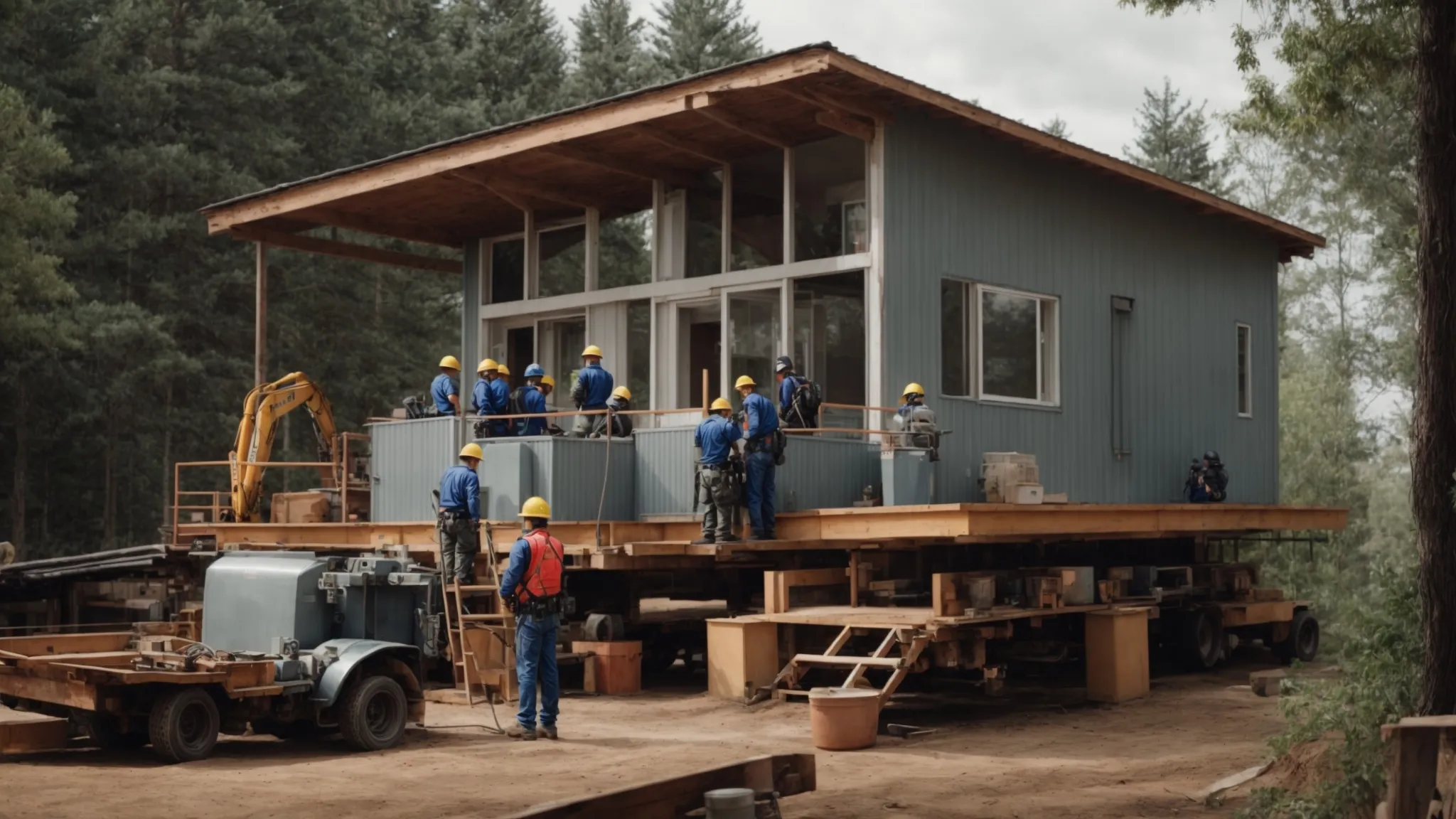
When choosing a house lifting service provider, safety should be your top priority. Reputable contractors implement comprehensive safety measures to protect their workers, your property, and the surrounding area. These precautions go beyond basic industry standards, encompassing detailed planning, specialized equipment, and rigorous training. By demanding and understanding these safety measures, you ensure that your house lifting project proceeds smoothly and minimizes risks. Let’s explore the key safety aspects you should expect from your service provider, starting with the importance of a detailed safety plan.
Insist on a Detailed Safety Plan Beforehand
Before committing to a house lifting service, demand a comprehensive safety plan from your provider. This document should outline specific precautions, emergency procedures, and risk mitigation strategies tailored to your project’s unique challenges.
Review the safety plan carefully, ensuring it addresses potential hazards such as equipment failure, weather-related risks, and worker safety protocols. A thorough plan demonstrates your service provider’s commitment to safety and helps you feel confident in their ability to handle unexpected situations during the lifting process.
Frequently Asked Questions
What qualifications should I look for in a house lifting service provider?
When seeking a house lifting service provider, look for a company with extensive experience, proper licensing, and insurance. It’s also crucial to check their reputation through references and reviews from previous clients.
How long does a typical house lifting project take to complete?
A typical house lifting project usually takes between 2 to 4 weeks to complete. However, the exact timeline can vary depending on factors such as the size of the house, the complexity of the project, and any unforeseen challenges that may arise during the process.
Can all types of houses be lifted, or are there limitations?
Most types of houses can be lifted, but there are limitations based on the structure’s size, weight, and condition. Factors like the foundation type, building materials, and local regulations also play a role in determining whether a house can be safely lifted.
What are the main reasons homeowners choose to lift their houses?
Homeowners primarily choose to lift their houses to protect them from flooding and water damage. This process can also create additional living space, improve the home’s overall value, and address foundation issues.
How can I ensure my belongings are protected during the house lifting process?
To protect your belongings during house lifting, remove all valuable and fragile items from the house before the process begins. Additionally, secure any remaining items that cannot be moved, such as built-in furniture or fixtures, to prevent damage from vibrations or shifting during the lift.
Conclusion
Choosing the best local house lifting services is crucial for ensuring the safety and success of your property elevation project.
By thoroughly researching online reviews, verifying certifications, and understanding the factors affecting costs, you can make an informed decision that protects your investment. Proper preparation, including securing permits and safeguarding your belongings, sets the stage for a smooth lifting process.
Demanding comprehensive safety measures from your service provider further guarantees the protection of your home and peace of mind throughout the project.
Terra Firm Leveling is here to provide you the most ideal house lifting services near you. Contact us and worry no more!
Similar Articles
Foundation Repair Guide: Everything Homeowners Need to Know
If you’ve noticed cracks in your walls, uneven floors, or doors that no longer close properly, your home may be…
Foundation Inspection Guide: What Every Homeowner in Houston Needs to Know
A solid foundation is essential for the safety and longevity of your home. But how do you know if your…
Pilings for House Foundations
Everything Galveston Homeowners Need to Know Pilings are a smart, reliable solution for supporting homes in Galveston’s coastal environment. This…