Can an Old House Be Jacked Up? Understanding the Challenges and Possibilities
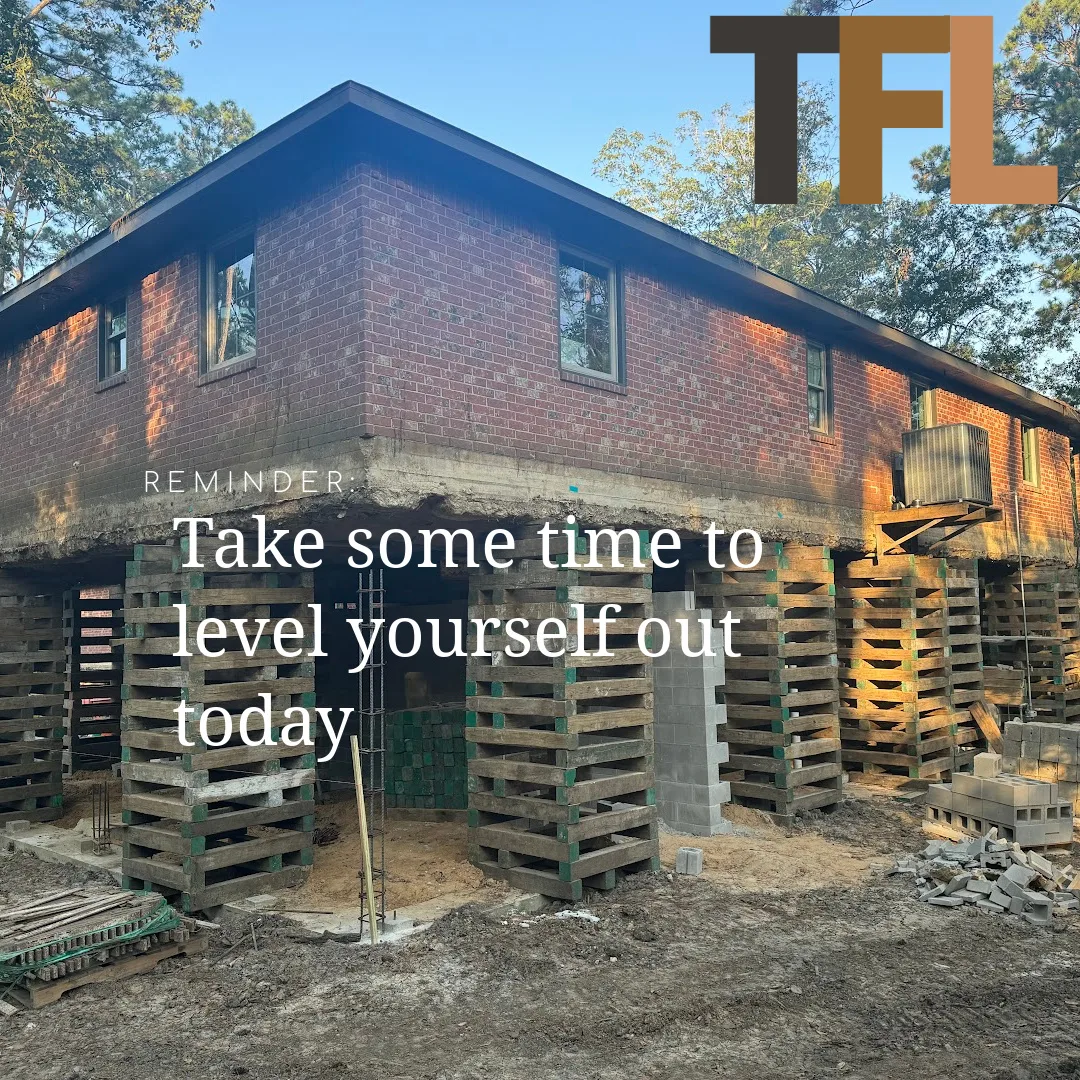
Jacking up a house is a process often used for foundation repair, house lifting, or relocating a structure. But when it comes to older homes, homeowners may wonder if the age and condition of their property make this process more challenging or even impossible.
The good news is that jacking up an old house is possible, but it comes with unique considerations. This article will explore the factors involved in jacking up an old house, the challenges that may arise, and how to ensure the process is done safely and effectively.
Factors to Consider When Jacking Up an Old House
Jacking up an old house is not a straightforward process. Several factors must be carefully evaluated to determine if the project is feasible and how it should be approached.
1. Structural Integrity
One of the most important considerations when jacking up an old house is its structural integrity. Older homes may have weakened materials, such as rotting wood, crumbling mortar, or rusted metal components. Before jacking up the house, it’s essential to assess the overall condition of the structure.
- Foundation Condition: The condition of the existing foundation is critical. If the foundation is severely damaged or unstable, it may not support the lifting process without additional reinforcement.
- Wall and Floor Integrity: The walls, floors, and roof of the house must be able to withstand the stresses of being lifted. This may require repairing or reinforcing these elements before the lift.
2. Age and Construction Materials
The age of the house and the materials used in its construction can also impact the jacking process. Older homes may have been built with materials or techniques that are no longer standard, which can present unique challenges.
- Outdated Construction Methods: Homes built in the early 20th century or earlier may have construction methods that differ from modern standards, such as balloon framing or unreinforced masonry. These methods can complicate the lifting process.
- Material Degradation: Over time, materials like wood, brick, and concrete can degrade. For example, wood may become brittle or rot, while brick and mortar can weaken and crumble. Addressing these issues is essential to ensure the house can be safely jacked up.
3. Reinforcement Needs
Due to the potential weaknesses in an old house, reinforcement may be necessary before the jacking process begins. This can involve:
- Adding Support Beams: Installing additional support beams or braces can help distribute the weight of the house more evenly during the lift.
- Repairing or Replacing Damaged Elements: Any damaged or weakened components, such as rotting wood or cracked walls, should be repaired or replaced to prevent them from failing during the lift.
- Foundation Reinforcement: In some cases, the foundation itself may need to be reinforced or partially replaced to support the weight of the lifted house.
4. The Purpose of the Jacking
Understanding the purpose of jacking up the house will also guide the approach taken. Common reasons for jacking up an old house include:
- Foundation Repair: Jacking up the house allows access to the foundation for repairs or replacement, which can stabilize the structure and prevent further sinking or settling.
- House Lifting: Lifting the house to add a new foundation, create additional space, or protect against flooding is another common reason for jacking up an old house.
- Relocation: If the house needs to be moved to a new location, jacking up the structure is the first step in the relocation process.
Challenges of Jacking Up an Old House
While jacking up an old house is possible, it does come with challenges that are not typically encountered with newer structures. Understanding these challenges can help you prepare for the process and ensure a successful outcome.
1. Potential for Structural Damage
Older homes are more susceptible to damage during the jacking process due to the potential for weakened materials and outdated construction methods. The stresses placed on the structure during the lift can exacerbate existing issues, leading to cracking, shifting, or even partial collapse.
- Careful Monitoring: Continuous monitoring of the house during the jacking process is essential to detect any signs of stress or damage early. Adjustments may need to be made to the lifting process to prevent further issues.
- Experienced Professionals: Working with contractors who have experience in jacking up old houses is crucial. They will have the knowledge and skills to navigate the challenges and reduce the risk of damage.
2. Unforeseen Complications
Older homes can present unforeseen complications that may not be immediately apparent during the initial assessment. These complications can arise from hidden structural issues, unexpected material degradation, or previously unknown construction methods.
- Comprehensive Inspection: A thorough inspection of the house, including behind walls and beneath floors, can help identify potential problems before the jacking process begins.
- Contingency Planning: It’s important to plan for potential complications and have contingency measures in place. This may include additional reinforcement, alternative lifting methods, or even pausing the project to address unexpected issues.
3. Cost Considerations
Jacking up an old house can be more expensive than lifting a newer structure due to the additional work required to address the challenges mentioned above. Costs may include structural repairs, reinforcement, and the use of specialized equipment or techniques.
- Budgeting for Repairs: Homeowners should budget for potential repairs and reinforcements needed to safely lift the house. This may include both pre-lift and post-lift work.
- Balancing Costs and Benefits: It’s important to weigh the costs of jacking up an old house against the potential benefits, such as preserving a historic property, repairing foundation issues, or adding value to the home.
Conclusion
Jacking up an old house is entirely possible, but it requires careful consideration of the structure’s condition, the materials used in its construction, and the challenges that may arise.
By working with experienced professionals and taking the necessary steps to reinforce and protect the structure, you can successfully lift an old house for foundation repair, house lifting, or relocation.
While the process may be more complex and costly than with a newer home, the benefits of preserving and improving your property can make it a worthwhile investment.
Similar Articles
Foundation Repair Guide: Everything Homeowners Need to Know
If you’ve noticed cracks in your walls, uneven floors, or doors that no longer close properly, your home may be…
Foundation Inspection Guide: What Every Homeowner in Houston Needs to Know
A solid foundation is essential for the safety and longevity of your home. But how do you know if your…
Pilings for House Foundations
Everything Galveston Homeowners Need to Know Pilings are a smart, reliable solution for supporting homes in Galveston’s coastal environment. This…